
Not all anchors are removed in the same way. The correct method depends on the type of fixing, how it was installed, and whether you need to remove it completely or simply leave the surface ready for floor repair.
In this article we explain how to remove anchor bolts from concrete according to the type of anchor you have, what tools are typically used, what precautions are worth taking, and in which cases it is better to call in professionals.
Before you start
Before attempting to extract an anchor from concrete, it is worth identifying two things: what type of anchor you have and what result you need to achieve.
It is not always necessary to remove the anchor completely. In many cases, particularly on industrial floors, what is really needed is for the anchor not to protrude, so the hole can be repaired and the surface left ready for a new use. This is important because some anchors — such as expansion anchors — are specifically designed to remain fixed in the concrete and not come out intact once installed.
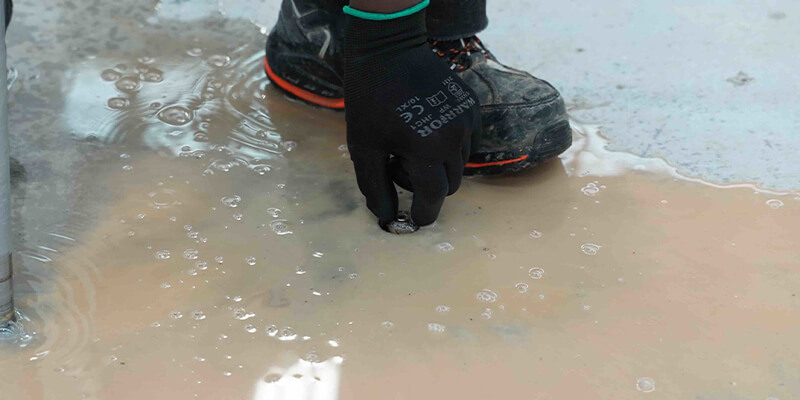
Common anchor types
As already mentioned, the first step is to correctly identify the type of anchor you have — this is the most important part of the entire process. If you do not identify the anchor correctly, it is easy to apply the wrong method and cause unnecessary damage to the slab.
In general, the most common types found in concrete floors are:
Concrete screw or removable threaded anchor
These are the most similar to a conventional screw. They thread directly into the base material and, in many cases, can be removed by turning them anticlockwise, just as you would remove a standard screw. This type of fixing is genuinely “removable”, although manufacturers warn that its performance deteriorates if the same hole is reused. Some screw-anchor systems are marketed specifically as removable.
Wedge anchor
This is a mechanical expansion anchor. Once installed and expanded inside the concrete, it is not designed to come out intact. The standard practice is to cut it flush with the surface or, if the original hole was drilled deep enough, to drive it down below the surface. Attempting to wrench it out can damage the surrounding concrete.
Sleeve anchor
This also works by expansion. In some cases the upper part can be removed and the shaft driven inwards; if that is not possible, cutting flush is the usual approach.
Drop-In anchors and other female anchors
Female anchors, such as drop-in anchors, are installed below the surface. Once placed, they cannot normally be removed without damaging the concrete. The usual approach is to remove the bolt or threaded rod, leave the anchor body below the surface, and patch the hole afterwards if needed.
Hammer drive, strike anchor, and split drive
These systems are more resistant to manipulation. In many cases, the only practical way to eliminate them without breaking more concrete than necessary is to cut off the head and, depending on the situation, drill out or leave the remainder embedded.
Types of tools used
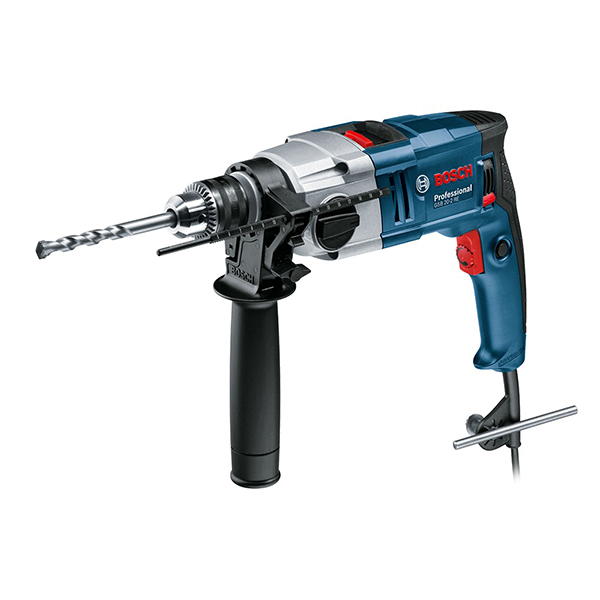
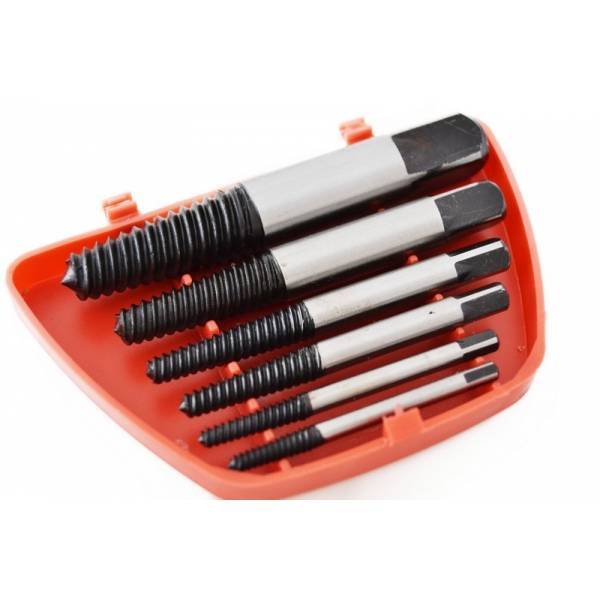
The tools depend on the anchor type and the method chosen, but the work typically involves:
- Spanners or a socket set for removing nuts
- Penetrating lubricant where there is corrosion
- An angle grinder or cutting disc for cutting flush
- A hammer and drift pin or punch for driving anchors down
- A drill or rotary hammer when material needs to be released or the hole re-drilled
When working on concrete, it is also advisable to have adequate dust extraction and an appropriate system for repairing the substrate afterwards.
How to remove an anchor bolt by anchor type
This is where the procedure really differs.
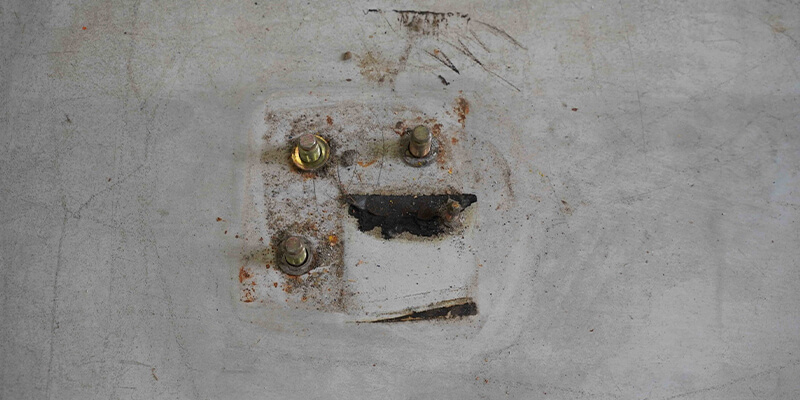
1. If it is a concrete screw
If the anchor is threaded and removable, the simplest method is to unscrew it anticlockwise, just as you would remove a conventional screw. If it resists due to corrosion or dirt, applying lubricant and allowing it to work before trying again can help.
This is the most straightforward case. Even so, if you intend to fix something in the same spot again, it is worth not assuming that the same hole will offer the same performance. Both manufacturers and technical fixing resources indicate that load capacity may be compromised when the same hole is reused.
2. If it is a wedge anchor
With a wedge anchor, removing the nut and washer does not mean the anchor will come out. Once expanded inside the concrete, it will almost certainly remain fixed. For this reason, the two most common practical solutions are to cut it flush with the surface or to drive it down if the original drill hole is deep enough.
This is a key point: with this type of anchor, “removing the bolt” does not usually mean extracting it whole — it means ensuring it does not protrude so the floor can be repaired and reused.
3. If it is a sleeve anchor
With a sleeve anchor, the usual first step is to remove the nut and washer. In some cases it is then possible to drive the shaft into the concrete to leave it below the surface. If it will not go down or there is not enough depth, cutting flush is the standard alternative.
4. If it is a female anchor such as a drop-in
With drop-in anchors and similar types, the usual approach is to remove only the bolt or threaded rod and leave the anchor body inside the concrete. As these are housed below the surface, once the fixed element has been dismounted there is often nothing protruding at all. The hole can then be patched or covered if the floor finish requires it.
5. If it ss a aammer drive, strike anchor, or split drive
These systems typically require cutting. In some cases the head is cut off and the body drilled out; in others, the protruding section is cut away and the area repaired. These are not anchor types that lend themselves to clean extraction, so this is where it makes most sense to work with the aim of leaving the floor properly prepared rather than trying to “recover” the anchor.
When to cut or drive down rather than extract
This is one of the points most often overlooked. On site, it frequently makes no sense to try to remove the anchor completely if doing so will break the edge of the hole, open a cone of damage in the concrete, or leave a repair that is larger than necessary.
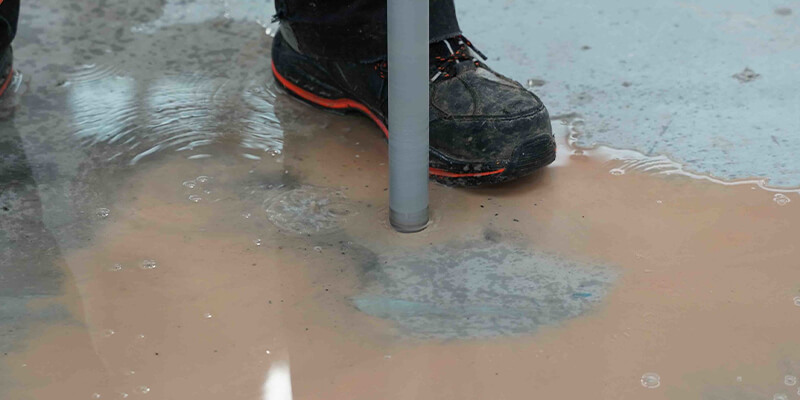
For this reason, with expansion anchors it is very common to opt for one of two solutions: cutting flush or driving below the surface. Both allow the substrate to be better repaired and leave a cleaner base for a new floor finish, a new installation, or a subsequent refurbishment.
Important precautions before and during removal
Eye protection alone is not enough. When drilling, cutting, or cleaning concrete you can generate respirable silica dust.
OSHA requires controls such as water suppression systems or dust capture with extraction, and for work involving drills and rotary hammers it also specifies the use of capture systems with high-efficiency filters and cleaning of holes with HEPA vacuuming. Dry sweeping is also prohibited where it could increase exposure to silica dust, unless no other viable alternative exists.
In practice, this means working with eye and hearing protection, keeping dust well controlled, avoiding cleaning the area by dry sweeping, and using the correct cutting or drilling method so as not to unnecessarily enlarge the damage.
How to repair the hole after removing the anchor
Once the anchor has been removed, cut, or driven down, the next step is to leave the substrate in good condition. First, the hole must be thoroughly cleaned to remove dust, loose particles, and any metal debris. Then, depending on the size of the damage and the intended use of the surface, it can be repaired with a mortar or repair compound suitable for concrete.
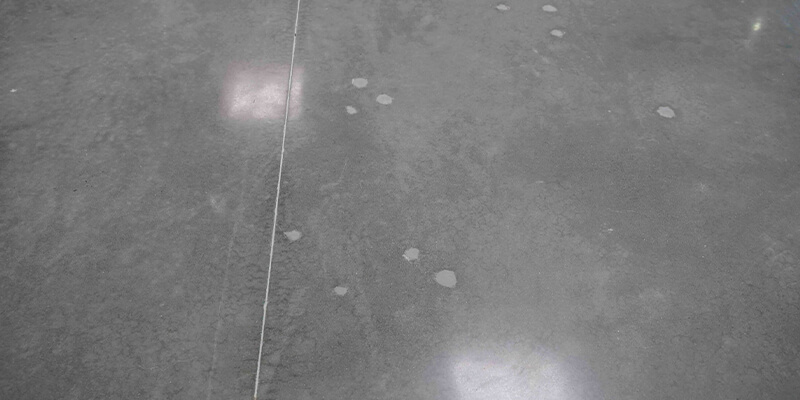
If the aim is to relay the floor, install new racking, or prepare a slab for a different finish, this stage is just as important as the extraction itself. There is little point in removing an anchor well if you then leave a weak, poorly cleaned, or poorly repaired void.
When it is worth calling in professionals
There are situations where it does not make sense to keep trying on your own: when the anchor is severely deformed, when there are many fixing points to remove, when the floor needs to be left visually clean and properly repaired, or when the slab is going to receive new logistics traffic, machinery, or a subsequent treatment.
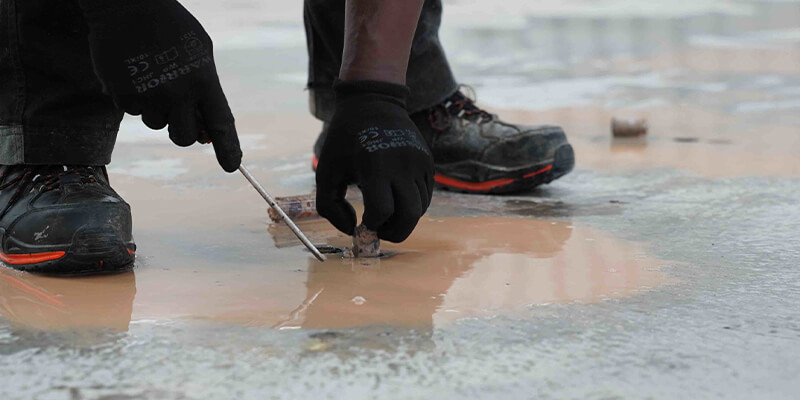
It is also worth calling in professionals when the extraction forms part of a wider floor refurbishment, because in that case what matters is not only “removing the bolt” but leaving the surface correctly prepared for its next use.
Anchor bolt removal service
At BECOSAN®, this type of work typically forms part of a comprehensive concrete floor preparation programme ahead of repair, refurbishment, a change of use, or following the dismantling of industrial racking. The extraction of old anchors, screws, and fixings is very common in warehouses, logistics centres, and surfaces where racking, machinery, or installations have been removed.
In these cases, what matters is not only removing the anchor, but doing so with the least possible damage to the slab, correctly repairing the substrate, and leaving the floor ready for the next phase of work.
If you need this service or would like to assess the best way to remove anchors without compromising the concrete, you can visit our anchor and screw removal service page or get in touch with us to discuss your specific situation.